

Our Verdict
Fast fashion isn't inherently evil, and a quality wardrobe isn't out of reach on a modest budget — but the two approaches involve genuinely different trade-offs. Fast fashion wins on immediate affordability and variety, while buying less and better tends to reward patience with durability, versatility, and reduced overall spending over time. Neither extreme is right for everyone.
The 'buy less, buy better' philosophy works best for readers who have some financial flexibility, wear consistent styles, and want to reduce shopping fatigue — while fast fashion remains a practical tool for those on tight budgets or dressing for rapidly changing needs.
What We Mean by Fast Fashion vs. Buying Better
Fast fashion refers to clothing produced quickly and in high volume to reflect current trends, typically at low retail prices. The model relies on compressed production cycles, synthetic materials, and global supply chains to keep costs down. Retailers refresh inventory constantly, encouraging frequent purchases.
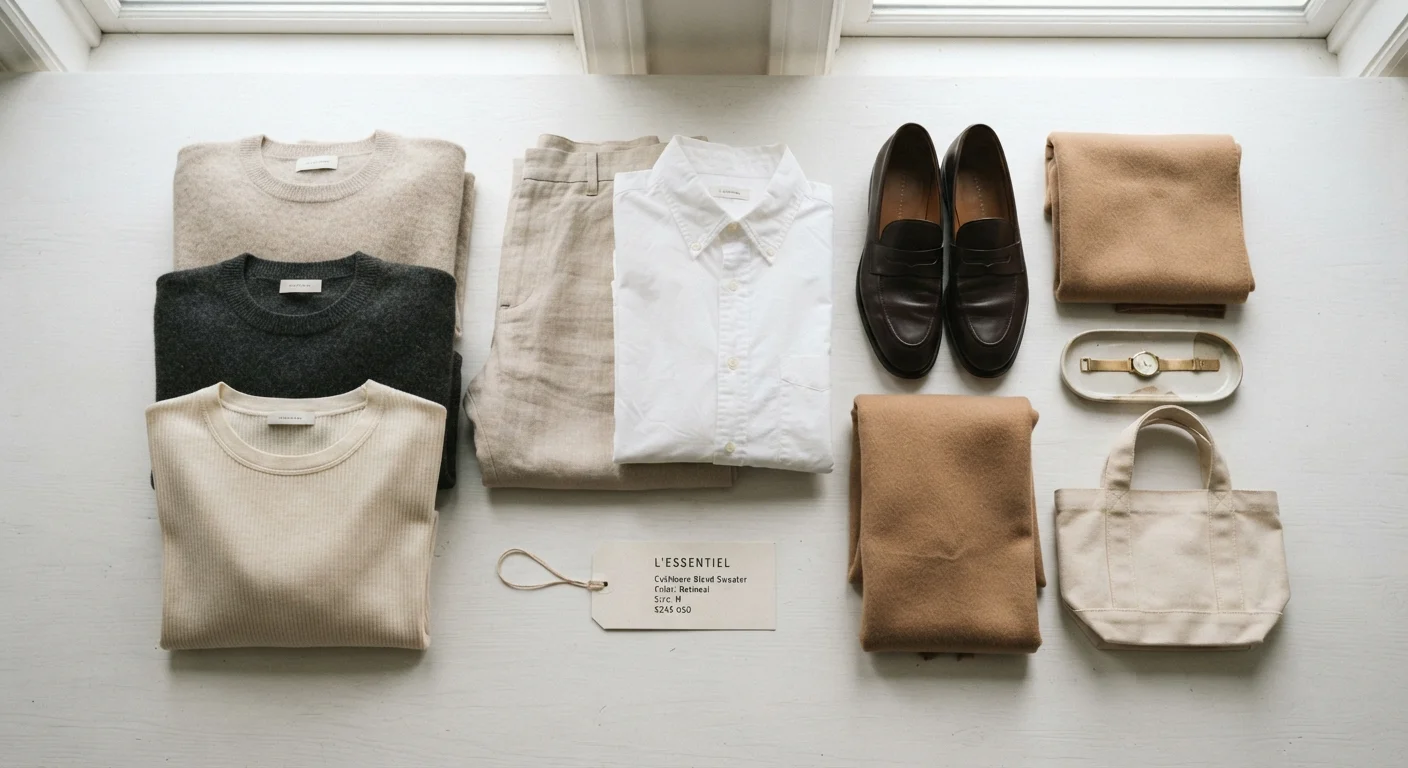
Buying less and better — sometimes called "slow fashion" — is the practice of purchasing fewer garments made with more durable materials, better construction, and longer intended lifespans. The goal isn't perfection or luxury; it's intentionality. A $60 shirt you wear 100 times has a lower cost-per-wear than a $15 shirt you wear five times and discard.
Neither approach is a monolith. Many people blend both strategies depending on their budget and needs — and that's a reasonable place to be. Understanding the actual trade-offs helps you make choices that reflect your real life. For more on how fabric choices affect longevity, see our guide on natural fibers vs. synthetic fabrics.
The Case for Fast Fashion
It would be easy — and unfair — to dismiss fast fashion entirely. For many households, it solves real problems.
Low upfront cost, accessible on most budgets
Fast fashion allows shoppers to purchase multiple items without a large financial outlay, which is genuinely useful for people on tight or variable incomes.
Practical for short-term or rapidly changing needs
Children's clothing, maternity wear, and trend-driven items people won't wear long-term are categories where lower cost makes more financial sense.
Wide availability and size range
Fast fashion retailers often stock broad size ranges and are available nationwide both in-store and online, reducing friction for shoppers with limited local options.
Useful for style experimentation
Trying a new aesthetic or silhouette at low cost lets people test what works for them before investing in higher-quality versions of pieces they know they'll wear.
Accessibility matters. When someone needs professional clothes for a new job and has $100 to spend, fast fashion fills that gap. Children's clothing is another area where rapid sizing changes make expensive investment pieces impractical. Fast fashion also allows people to experiment with personal style before committing to a particular aesthetic, which fit and style exploration genuinely benefits from.
The Real Costs of Fast Fashion
The sticker price is only part of the picture. Fast fashion carries additional costs that don't always show up at checkout.
Higher long-term cost due to frequent replacement
Low-durability garments wear out faster, meaning the cumulative spending can exceed what a single quality piece would have cost over the same period.
Documented environmental impact
The fashion industry is a significant contributor to textile waste and water pollution; fast fashion's accelerated production cycle amplifies these effects compared to slower-turnover models.
Labor and ethical concerns in global supply chains
Price compression in fast fashion frequently translates to low wages and difficult conditions for garment workers, a pattern documented by international labor monitoring organizations.
Lower quality often means shorter wearable lifespan
Thin fabrics, light stitching, and trend-specific cuts reduce how long and how versatile a garment remains — shortening its useful life significantly.
Encourages impulse buying and wardrobe clutter
Frequent low-cost purchases can accumulate into a closet full of items that don't coordinate well, leading to the paradox of having many clothes and nothing to wear.
Garment workers in major manufacturing regions frequently earn wages far below living standards, according to labor research organizations that audit global supply chains. Microplastic pollution from synthetic fabrics — which shed fibers during washing — is a documented environmental concern, though the full scope of its impact is still being studied. And the financial math often surprises people: buying five $20 shirts per season adds up to $400 a year on a single category alone.
~85%
Clothing ending up in landfills annually
The U.S. Environmental Protection Agency has reported that the vast majority of discarded textiles in the United States end up in landfills rather than being recycled or donated.
3×
Increase in garments produced since 2000
Global clothing production roughly tripled between 2000 and the early 2020s, according to industry analysis from the Ellen MacArthur Foundation's fashion sustainability reports.
If you're working to curb overspending on clothing, the principles behind strict budgeting can help clarify where your clothing dollar actually goes.
Building a Functional Wardrobe Without Starting Over
Shifting toward a more intentional wardrobe doesn't require throwing everything out or spending a lot at once. Start by auditing what you actually wear — most people regularly wear about 20% of what they own. Items that get worn repeatedly, across different outfits and occasions, are your wardrobe's real foundation.
Cost-Per-Wear: A Simple Mental Shift
Cost-per-wear is calculated by dividing the price of a garment by the number of times you wear it. A $90 jacket worn 90 times costs $1 per wear; a $25 jacket worn 5 times costs $5 per wear. This framing isn't about justifying expensive purchases — it's a practical tool for evaluating whether any item, at any price point, is earning its place in your wardrobe. Apply it before you buy, not after.
From there, when you do need something new, look for construction indicators that suggest durability: reinforced seams, natural or blended fiber content, and consistent stitching. These aren't guarantees, but they're meaningful signals. Our article on seasonal wardrobe transitions shows how to stretch what you already own across changing weather without reflexive new purchases.
A smaller, more considered wardrobe can also reduce the daily mental load of getting dressed. A few reliable style principles go a long way when your pieces are already versatile.
The content on this site is for informational purposes only and is not a substitute for professional advice. Always consult a qualified professional for guidance specific to your situation.