

What Normal Hydration Looks Like
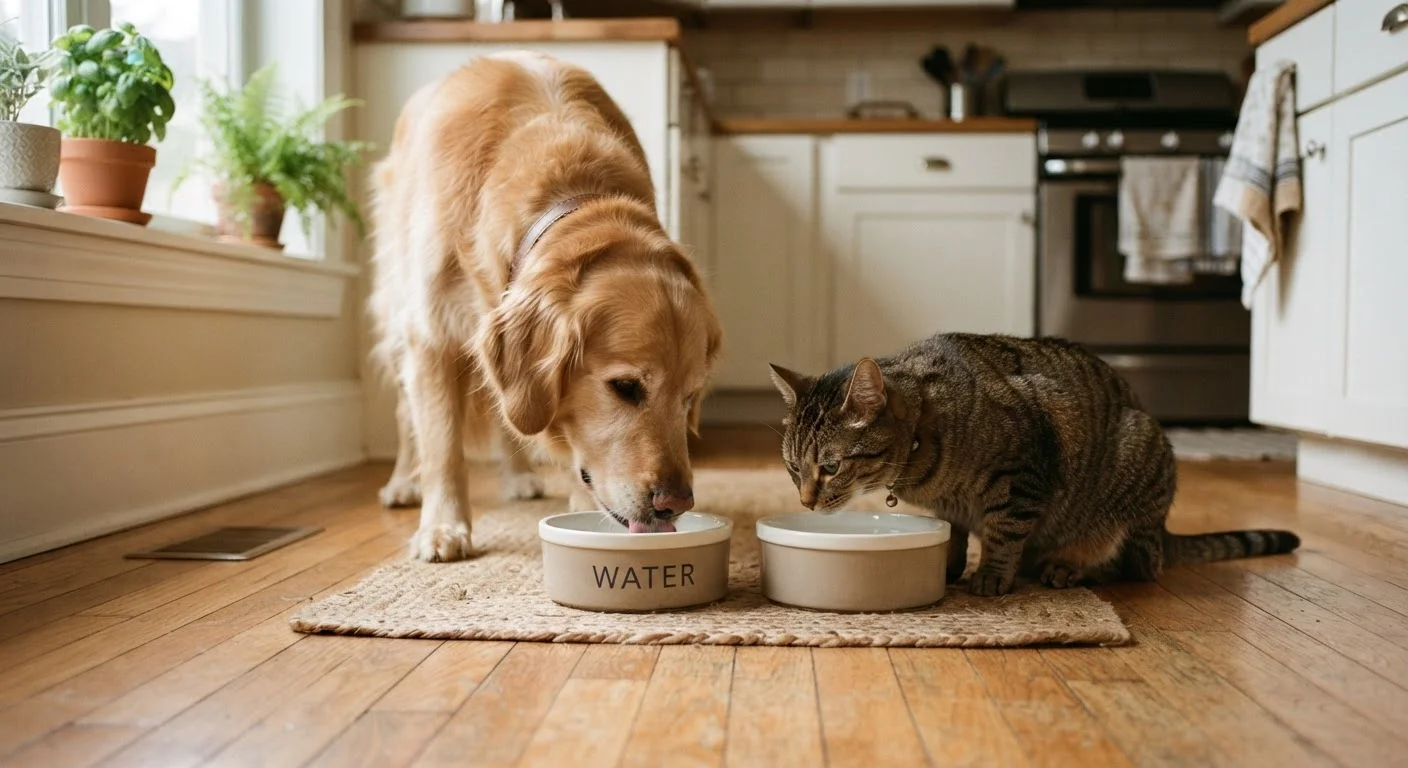
Most dogs need roughly one ounce of water per pound of body weight per day under normal conditions — so a 30-pound dog ideally drinks close to 30 ounces. Cats, as obligate carnivores that evolved in arid environments, have a lower thirst drive and often rely on moisture from wet food to meet their needs; a typical cat consuming dry kibble may drink 5–10 ounces of water daily.
These are general benchmarks, not prescriptions. Activity level, ambient temperature, diet type (wet vs. dry food), lactation status, and individual metabolism all influence how much any one animal actually needs on a given day. What matters most is learning your own pet's baseline — then noticing meaningful departures from it.
Signs Your Pet May Be Drinking Too Much
Polydipsia — excessive thirst — is one of the more telling clinical signals in companion animals. When combined with increased urination (polyuria), it often points to conditions that warrant prompt evaluation. Common underlying causes that veterinarians consider include:
- Diabetes mellitus — high blood glucose pulls water into the urine, triggering compensatory thirst
- Chronic kidney disease — impaired kidneys lose the ability to concentrate urine, requiring the animal to drink more to compensate
- Hyperthyroidism — particularly common in middle-aged to older cats
- Cushing's disease (hyperadrenocorticism) — excess cortisol drives significant water consumption in dogs
- Liver disease or pyometra — among other systemic causes
If you notice your pet emptying the water bowl far more quickly than usual, waking at night to drink, or having accidents indoors despite being house-trained, these are signals worth discussing with your veterinarian — not reasons to panic, but not signs to wait out either. See our guide to recognizing subtle signs of discomfort for related behavioral cues that sometimes accompany illness.
Signs Your Pet May Not Be Drinking Enough
Wet Food Counts Toward Hydration
Canned or wet pet foods typically contain 70–80% moisture, which contributes meaningfully to a pet's daily fluid intake. A cat or dog eating primarily wet food will naturally drink less water from a bowl — this is normal and not a cause for concern. When comparing hydration across pets, always factor in diet type before drawing conclusions.
Dehydration can develop faster than many owners expect — especially in summer heat, after vomiting or diarrhea, or in pets that are ill and lethargic. A rough field check is the skin turgor test: gently lift the skin at the back of the neck; in a well-hydrated animal it snaps back immediately. Slow return suggests dehydration. This test is a general indicator only and should not replace veterinary assessment.
Reduced water intake may look like:
- Noticeably dry or tacky gums (healthy gums feel moist and slick)
- Sunken eyes or a dull coat
- Decreased urination — less frequent trips outside or a very small litter box output
- Lethargy or loss of appetite alongside reduced drinking
Cats are particularly prone to subclinical dehydration when eating primarily dry food. Adding a water fountain, offering multiple water stations, or transitioning partially to wet food are practical steps many veterinarians recommend — consult yours to determine what suits your individual cat. Senior pets often experience reduced kidney function that makes adequate hydration especially important.
When to Contact Your Veterinarian
Changes in water intake are rarely emergencies on their own, but certain combinations of signs should prompt a same-day or urgent call:
- Sudden, dramatic increase in drinking alongside weight loss or vomiting
- Any reduction in drinking paired with refusal to eat for more than 24 hours
- Signs of severe dehydration — extreme lethargy, dry gums, or collapse
- Straining to urinate or producing no urine at all (a potential blockage, which is a true emergency, especially in male cats)
For gradual changes, a scheduled wellness visit with a written log of observations is the right move. Note approximately how often you refill the bowl, dietary changes, any new medications, and environmental shifts like a move or new household member. This context genuinely helps your veterinarian narrow down possibilities efficiently. Our guide to checking your pet's vital signs at home can help you build a fuller picture before the appointment.
This article provides general educational information about pet health and is not a substitute for veterinary advice. Always consult a licensed veterinarian for concerns about your individual animal's health.
The content on this site is for informational purposes only and is not a substitute for professional advice. Always consult a qualified professional for guidance specific to your situation.