

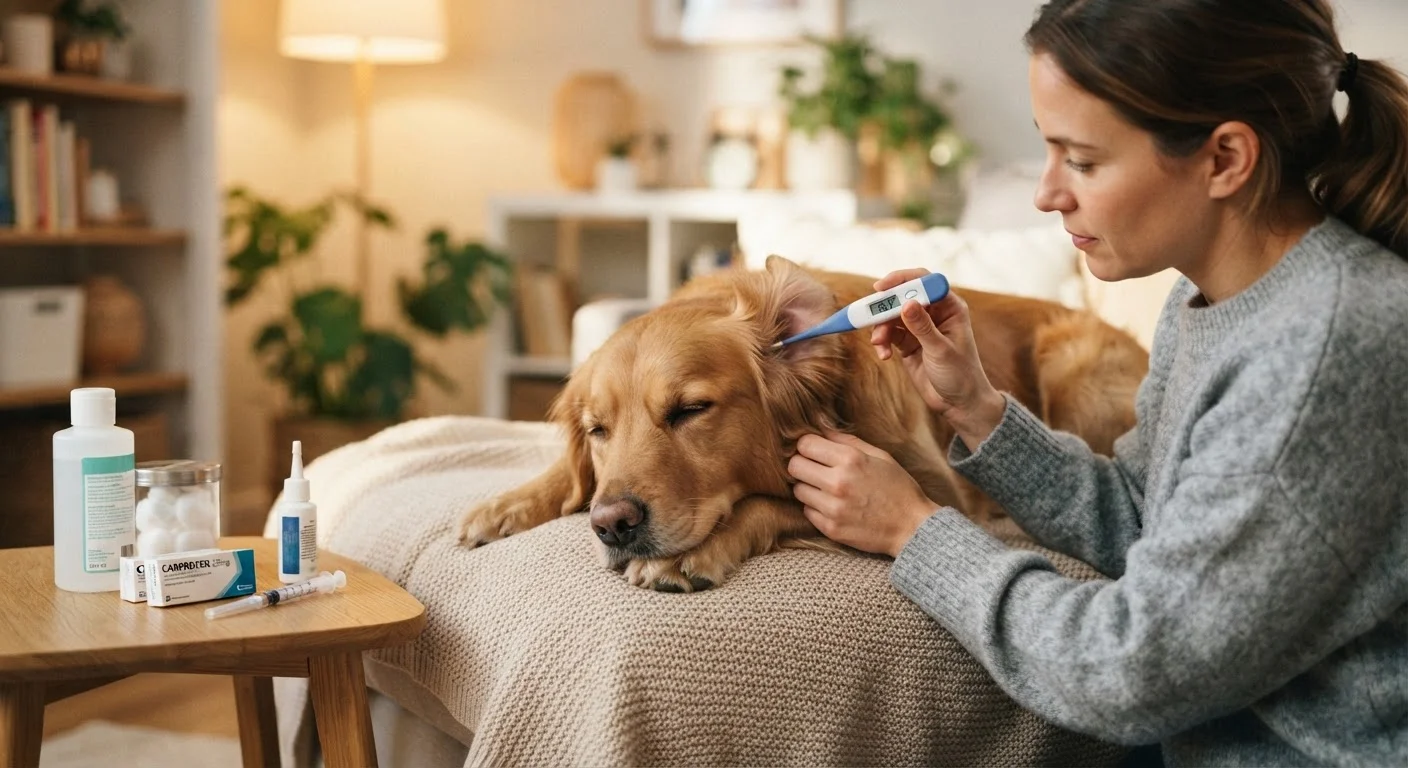
Why Home Vital Signs Monitoring Matters
Most pet owners wait for an obvious sign — limping, vomiting, lethargy — before calling a vet. But subtle changes in temperature, heart rate, or breathing often precede visible symptoms by hours or days. Learning to measure these basic indicators gives you an early warning system that can meaningfully improve outcomes, particularly for senior animals. If you're caring for an older dog or cat, our guide on aging pet health changes explains which shifts in physiology deserve closer monitoring as animals age.
Knowing your individual pet's healthy baseline matters just as much as knowing general species ranges. A dog who normally runs at 70 bpm resting and suddenly reads 110 bpm at rest may be signaling something worth investigating — even though 110 bpm is technically within the broad normal range. Routine home checks, shared with your veterinarian, turn ordinary appointments into richer conversations backed by real data.
Practice builds cooperation
Spend a few minutes weekly handling your pet's paws, ears, and belly to normalize touch. Animals that are comfortable being handled at home are easier to examine — and typically less stressed at the vet clinic. Pair handling with treats to build a positive association.
What You'll Need
Taking accurate vital signs requires only a few inexpensive tools you likely already own or can find at any pharmacy. Being prepared before you approach your pet reduces handling time and stress for both of you.
What you will need
Digital rectal thermometer
Measures core body temperature — the most reliable vital sign to assess fever or hypothermia.
Water-soluble lubricant
Eases thermometer insertion and minimizes discomfort for the animal.
Stopwatch or phone timer
Allows accurate 15- or 60-second counting of heartbeats and breaths.
Notebook or health log
Records readings over time so you can share a trend with your veterinarian rather than a single data point.
Step-by-Step Instructions
Follow the steps below in order. Always work in a calm environment and avoid measuring right after play, meals, or stressful events, as all of these will temporarily alter readings.
Prepare your supplies and your pet
Gather your thermometer, lubricant, and timer before approaching your pet. Allow your animal to settle in a quiet room — avoid taking readings after exercise or excitement, which will elevate heart rate and respiratory rate. Gently stroke your pet for a minute or two to promote calm. If your pet is anxious, offer a small treat and give them a moment to relax.
Measure body temperature
Apply a small amount of lubricant to the tip of the thermometer. Gently lift your pet's tail and insert the thermometer about one inch into the rectum for dogs, or half an inch for cats. Hold it steady and wait for the digital beep — usually 10 to 60 seconds depending on the model. Remove, wipe clean, and note the reading.
- Normal dog temperature: 101–102.5°F (38.3–39.2°C)
- Normal cat temperature: 100.5–102.5°F (38.1–39.2°C)
A reading above 103°F or below 99°F in either species warrants a prompt call to your veterinarian.
Count the resting heart rate
Place your fingers (not your thumb, which has its own pulse) on the inside of your pet's upper hind leg, where the femoral artery runs close to the skin. Press gently until you feel a pulse. Count the beats for 15 seconds, then multiply by four to get beats per minute (bpm).
- Adult dogs: 60–140 bpm (smaller breeds trend higher)
- Adult cats: 140–220 bpm
You can also place your hand flat against the left side of the chest, just behind the elbow, to feel the heartbeat directly.
Count the resting respiratory rate
With your pet resting quietly — ideally lying down — watch the rise and fall of the chest. One complete breath equals one inhale plus one exhale. Count the number of breaths for 30 seconds, then multiply by two for breaths per minute (bpm).
- Dogs: 10–30 breaths per minute
- Cats: 15–30 breaths per minute
Panting after exercise is normal in dogs; however, open-mouth breathing in cats is never normal and requires immediate veterinary attention.
Record and interpret your findings
Write down all three readings along with the date, time, and any observations about your pet's behavior. A single reading is useful, but a series of readings over time is far more informative — it reveals trends and helps your veterinarian assess whether a change is gradual or sudden. If any reading falls outside the normal ranges listed above, or if your pet's readings have shifted noticeably from their personal baseline, contact your veterinarian to discuss next steps.
These readings are not a diagnosis
Measuring vital signs at home provides useful data to share with your veterinarian — it does not replace a professional examination. If your pet is in distress, struggling to breathe, unresponsive, or showing signs of serious illness, contact your veterinarian or an emergency animal clinic immediately. Do not delay care while trying to collect measurements.
Recognizing When a Reading Demands Immediate Action
Numbers alone don't tell the whole story — context matters. A slightly elevated temperature in a dog who just came in from a warm yard differs from the same reading in a dog who is lethargic and not eating. Use vital signs as one piece of the picture, alongside your pet's behavior, appetite, and overall appearance.
If you notice your pet drinking far more or far less water than usual alongside abnormal vitals, that combination deserves prompt veterinary attention. Signs your pet's water intake may be off covers what healthy hydration looks like and when changes become a concern.
Never use a glass mercury thermometer
Glass mercury thermometers pose a breakage and poisoning risk for both pets and owners. Always use a digital rectal thermometer designed for animals or infants. Shake-free digital models eliminate that risk entirely.
For a broader look at everyday habits that quietly affect animal health, see small ways pet owners undermine their animal's health. Building good home monitoring habits is one of the most effective investments you can make in your pet's long-term wellbeing.
This article is for general informational purposes only and is not a substitute for professional veterinary advice, diagnosis, or treatment. Always consult a licensed veterinarian with questions about your pet's health.
The content on this site is for informational purposes only and is not a substitute for professional advice. Always consult a qualified professional for guidance specific to your situation.