

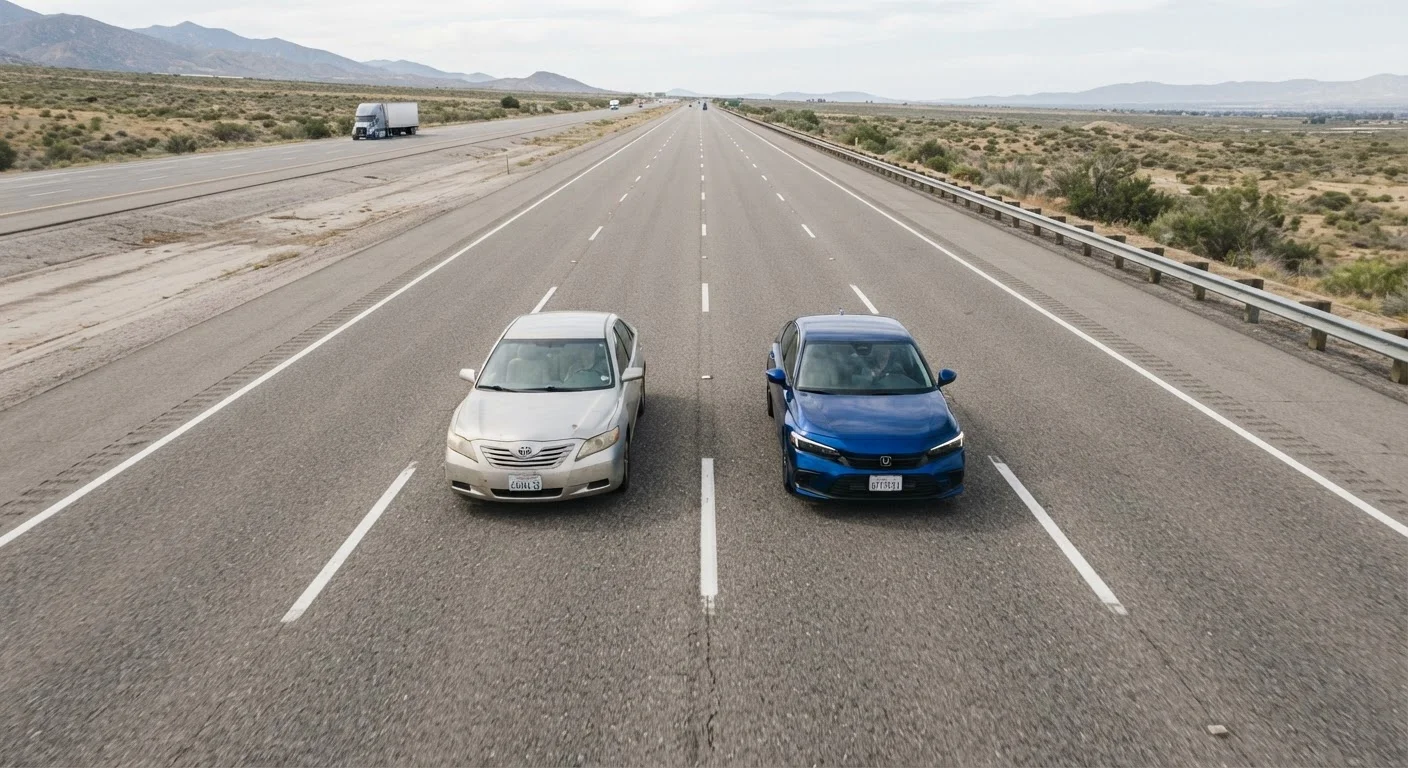
Option A
Liability-Only Coverage
The legally required minimum that protects others from your mistakes.
Best for: Drivers of older, lower-value vehicles who can absorb the cost of repairing or replacing their own car.
Option B
Full Coverage
A broader safety net that also protects your own vehicle.
Best for: Drivers of newer or financed vehicles who want protection against both at-fault and unexpected damage scenarios.
What Liability Coverage Actually Does
Liability auto insurance is the foundation of any policy - and in nearly every U.S. state, some form of it is required by law to drive legally. But required doesn't always mean understood.
Liability coverage pays for two categories of harm you cause to other people in an accident where you're at fault:
- Bodily injury liability - covers medical expenses, lost wages, and legal costs if the other driver or their passengers are injured.
- Property damage liability - covers repairs to the other party's vehicle or other property you damaged.
What liability does not cover is your own vehicle or your own medical bills. If you rear-end someone and it's your fault, liability pays to fix their car. Your car? That's your problem - unless you have additional coverage.
Liability limits are typically written as three numbers, such as 25/50/25. These represent the maximum your insurer will pay per injured person, per accident, and for property damage respectively (in thousands of dollars). Understanding how those caps work matters - see how coverage limits are applied for a full explanation.
State Minimums Are a Floor, Not a Recommendation
Every state sets its own minimum liability requirements, and those minimums are often quite low relative to the actual costs of a serious accident. A single hospitalization can exceed typical state-mandated bodily injury limits. Most insurance professionals suggest carrying limits above the legal minimum if your budget allows, and reviewing those limits periodically as your circumstances change.
What Full Coverage Adds to the Picture
"Full coverage" is a common term, but it's not an official insurance category - it's shorthand for a policy that bundles liability with two additional protection types:
- Collision coverage - pays to repair or replace your vehicle after a crash, regardless of fault.
- Comprehensive coverage - covers non-collision events such as theft, vandalism, fire, flooding, hail, or a collision with an animal.
Together, these coverages address damage to your vehicle. For a deeper look at how each coverage type functions independently, the guide to auto insurance coverage types breaks down each one clearly.
Both collision and comprehensive come with a deductible - the amount you pay out of pocket before the insurer covers the rest. Common deductible amounts range from $250 to $1,500. A higher deductible generally means a lower premium, and vice versa.
| Criterion | Liability-Only | Full Coverage |
|---|---|---|
| Covers damage to others' property | Yes | Yes |
| Covers others' bodily injury | Yes | Yes |
| Covers your own vehicle after a crash | No | Yes (collision) |
| Covers theft, weather, or animal damage | No | Yes (comprehensive) |
| Typically required by lenders | No | Yes |
| State minimum requirement | Usually satisfies minimum | Exceeds minimum |
| Deductible applies | No | Yes |
| Relative premium cost | Lower | Higher |
How to Think Through the Decision
The right coverage level isn't about spending more or less - it's about matching protection to your actual financial exposure. A few questions help frame the choice:
- What is your vehicle currently worth? If your car's actual cash value (what the insurer would pay for a total loss) is close to or less than your annual comprehensive and collision premiums plus your deductible, the financial math may not favor full coverage.
- Do you have a loan or lease? If so, the lender decides for you - full coverage is almost always contractually required.
- Could you cover a major repair or replacement on your own? Drivers without a financial cushion face real hardship if their car is totaled and they only carry liability.
It's also worth noting that liability-only doesn't leave you entirely exposed to every risk. Separate add-ons - like uninsured motorist coverage or medical payments coverage - can address specific gaps without the full cost of comprehensive and collision. How different insurance types work together explains how those pieces can complement each other.
~13%
U.S. drivers estimated to be uninsured
According to the Insurance Research Council, roughly 1 in 8 drivers on U.S. roads carries no insurance, underlining why your own coverage choices affect your real-world exposure.
$4,700+
Average collision claim cost
Industry data from the Insurance Information Institute indicates the average collision claim has consistently exceeded several thousand dollars, illustrating the financial risk of carrying no collision protection.
If your liability limits feel tight and you want additional protection against large at-fault claims, umbrella insurance is one option worth understanding.
This article is for general informational purposes only and does not constitute personalized insurance, financial, or legal advice. Coverage terms, requirements, and costs vary by state and by insurer. Consult a licensed insurance professional and read your actual policy documents before making coverage decisions.
The content on this site is for informational purposes only and is not a substitute for professional advice. Always consult a qualified professional for guidance specific to your situation.