

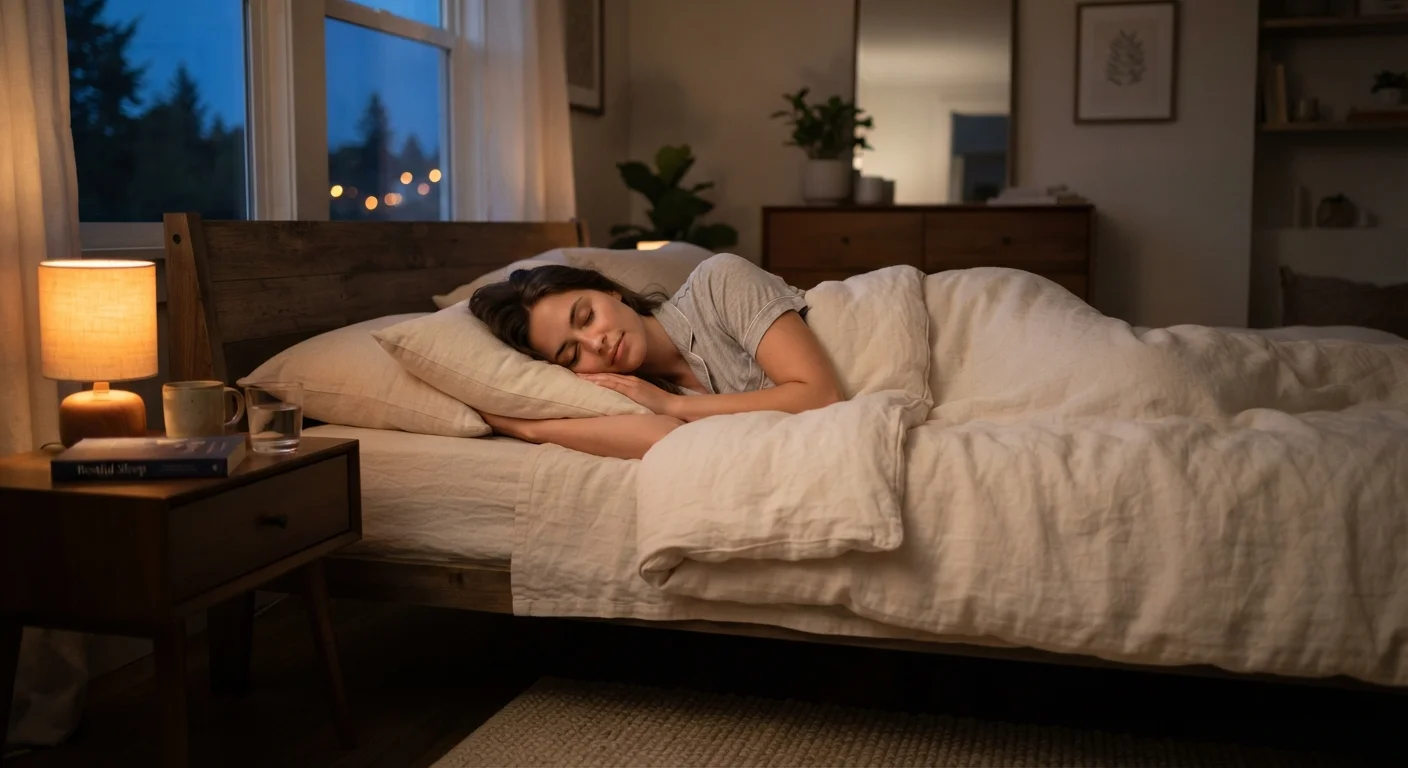
How Sleep Shapes Your Mental State
Sleep is far more than physical rest. During sleep - particularly during REM (rapid eye movement) stages - the brain processes emotional memories, consolidates learning, and regulates the neurochemical systems that govern mood. When sleep is cut short or fragmented, these processes are disrupted in ways that have immediate and measurable consequences for mental well-being.
Studies using brain imaging have shown that sleep-deprived individuals display significantly greater amygdala reactivity - the brain region central to emotional responses - when exposed to negative stimuli. In practical terms, this means that even a single poor night's sleep can make everyday stressors feel more overwhelming and harder to manage rationally.
This is explored in more depth in our article on sleep and emotional regulation, which details the neurological mechanisms behind why rest is a genuine mental health habit.
Prioritize Sleep as a Mental Health Tool
Treating sleep as a fundamental component of mental wellness - not a luxury - is consistent with current clinical thinking. Maintaining a regular sleep schedule, even on weekends, is one of the simplest evidence-supported steps for stabilizing mood over time. If you struggle to implement sleep habits independently, a healthcare provider can help identify underlying barriers.
How Mental Health Disrupts Sleep
The relationship does not flow only one direction. Anxiety, depression, post-traumatic stress disorder (PTSD), and bipolar disorder are all associated with significant sleep disturbances, making it difficult to separate cause from effect in many individuals.
Anxiety disorders tend to produce hyperarousal - a state of prolonged physiological alertness driven by elevated cortisol and a racing mind - that interferes with sleep onset and maintenance. Depression is frequently accompanied by early morning awakening or, in some presentations, excessive sleep. Understanding what stress does inside your body helps clarify why calming the nervous system is a prerequisite for restorative sleep.
Sleep disorders such as insomnia and sleep apnea are also disproportionately common among people with mental health conditions. Our overview of common sleep disorders explains how these conditions are identified and when professional evaluation is warranted.
Causation Is Difficult to Establish
Because sleep problems and mental health conditions so often co-occur, researchers caution against assuming that one always causes the other. In many cases, both reflect shared underlying neurobiological vulnerabilities. This complexity is precisely why co-occurring symptoms should be evaluated together by a qualified professional rather than treated as separate, unrelated problems.
Breaking the Cycle: Evidence-Based Approaches
Because the sleep-mental health relationship is bidirectional, interventions targeting either domain can produce benefits in the other. Cognitive Behavioral Therapy for Insomnia (CBT-I) - currently the first-line recommended treatment for chronic insomnia - has demonstrated reductions in anxiety and depressive symptoms alongside improvements in sleep in multiple controlled trials.
Lifestyle factors also play a meaningful role. Consistent sleep-wake timing, limiting stimulants at appropriate hours (see our article on caffeine, alcohol, and sleep), and managing the sleep environment all influence the quality of rest and, by extension, emotional resilience. Evidence also indicates that social connection supports mental health in ways that may indirectly benefit sleep quality.
A practical starting point is auditing your nightly routine. Our checklist on evening habits that support or undermine sleep identifies specific pre-bed behaviors with documented effects on sleep architecture.
~70%
Adults with depression reporting sleep problems
Research published in peer-reviewed psychiatric literature estimates that between 65-90% of adults with major depression experience some form of sleep disturbance.
2-3×
Increased anxiety risk with chronic insomnia
A meta-analysis of longitudinal studies found that individuals with persistent insomnia face roughly two to three times the risk of developing an anxiety disorder compared with normal sleepers.
7-9 hrs
Recommended nightly sleep for adults
The American Academy of Sleep Medicine and the Sleep Research Society recommend seven to nine hours of sleep per night for adults to support physical and mental health.
This article is for general informational purposes only and does not constitute medical advice. If you are experiencing persistent sleep difficulties or mental health symptoms, please consult a qualified healthcare professional.
Frequently Asked Questions
Research consistently shows that chronic sleep deprivation is associated with increased risk for anxiety and depression. While sleep loss alone does not directly cause these disorders, it is considered a significant contributing factor that can worsen existing vulnerabilities. If you are experiencing persistent mood changes alongside poor sleep, consult a healthcare professional.
Most major health organizations, including the Centers for Disease Control and Prevention, recommend seven or more hours of sleep per night for adults. Individual needs vary, and consistently sleeping well below this threshold is associated with measurable effects on mood and cognition. A healthcare provider can help assess whether your sleep duration and quality are adequate.
Stress activates the body's fight-or-flight response, raising cortisol and keeping the brain in a state of heightened alertness that is incompatible with sleep onset. Racing thoughts and physiological arousal are hallmarks of both anxiety disorders and poor sleep. This is one reason the two conditions so frequently co-occur.
Evidence suggests that treating sleep disturbances can have a positive effect on depressive symptoms. Sleep-focused therapies, such as Cognitive Behavioral Therapy for Insomnia (CBT-I), have shown measurable mood benefits in clinical research. However, depression often requires comprehensive professional treatment - improving sleep alone is rarely sufficient on its own.
You should speak with a qualified healthcare professional if sleep problems persist for more than a few weeks, significantly impact daily functioning, or are accompanied by notable changes in mood, appetite, or motivation. Co-occurring sleep and mental health symptoms are best evaluated together rather than separately.
The content on this site is for informational purposes only and is not a substitute for professional advice. Always consult a qualified professional for guidance specific to your situation.