

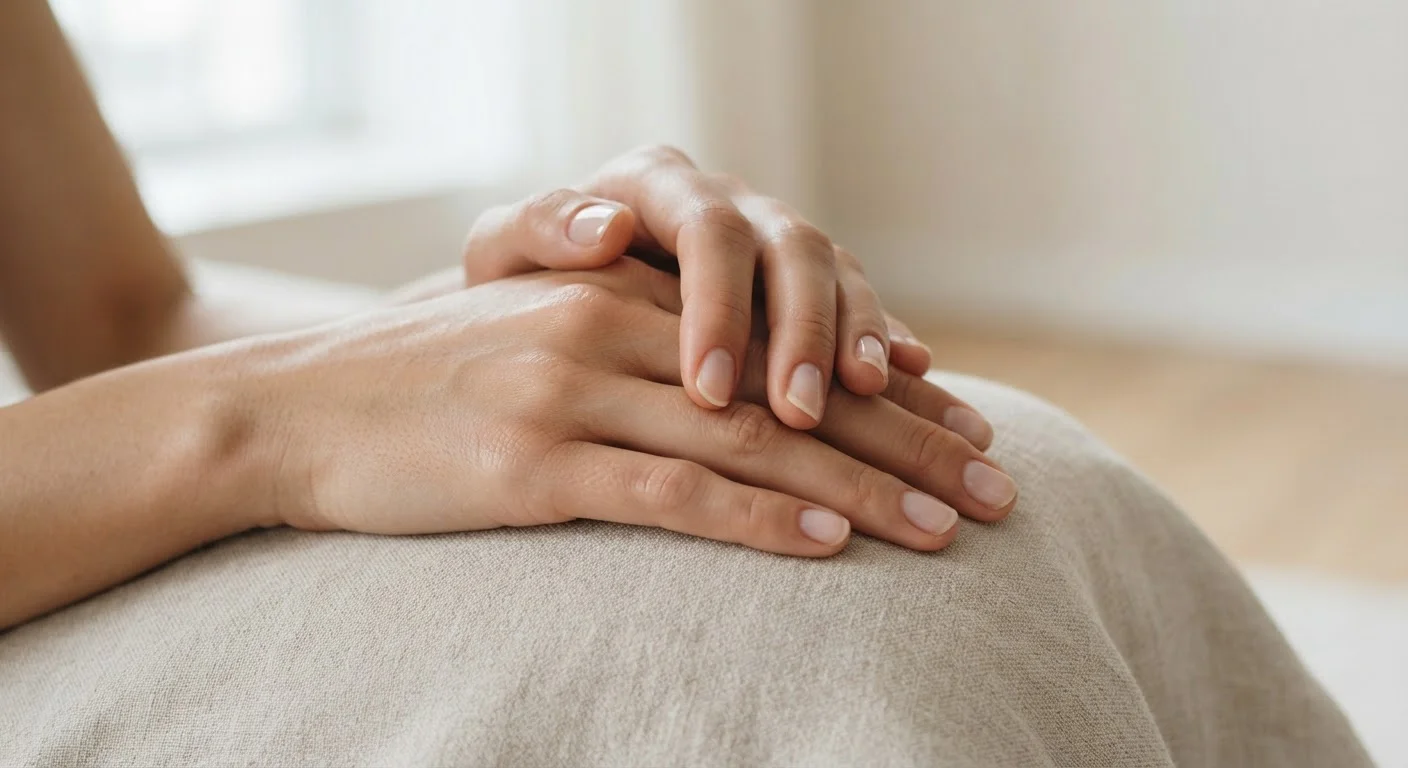
Why Nail Care Is More Than Cosmetic
Healthy nails serve a real function: they protect the sensitive fingertips, aid in fine motor tasks, and — as dermatologists point out — can reflect broader health patterns. The goal of a good nail care routine isn't a perfect manicure; it's keeping nails clean, appropriately hydrated, and structurally sound.
For most people, nails don't require specialized products or salon visits to stay healthy. What they do require is a handful of consistent, informed habits. Part of a solid personal care routine is understanding what each area — including nails — actually needs versus what's just marketing noise.
“The nail is a window into overall health. Changes in color, texture, or growth rate can reflect what's happening systemically — which is why dermatologists pay close attention to nails during skin exams.”
— American Academy of Dermatology, Professional medical association for skin, hair, and nail health
The Core Practices That Make a Real Difference
The practices below are grounded in how nails are actually structured and how they respond to everyday use. None require expensive tools — just attention and a small amount of consistency.
Trim nails straight across and file edges smooth after every cut.
Cutting nails in a clean, straight line — then gently rounding the corners with a fine-grit file — reduces the risk of ingrown nails and snags. Jagged edges catch on fabric and tear, weakening the nail plate over time.
Never cut your cuticles — soften and gently push them back instead.
Cuticles form a seal that keeps bacteria and fungi from entering the nail matrix (the growth area beneath the skin). Cutting them removes this protective barrier and significantly raises infection risk.
Moisturize your nails and surrounding skin daily.
Nails, like skin, lose moisture — especially after repeated hand washing or exposure to harsh cleaners. Dry nails become brittle and prone to peeling. A simple hand cream or cuticle oil applied daily helps maintain flexibility.
Wear gloves when working with water, cleaning products, or soil.
Extended exposure to water weakens the nail plate by causing repeated swelling and contraction. Cleaning chemicals strip natural oils from both nails and skin. Protective gloves make a meaningful difference in long-term nail integrity.
Keep nails clean without using sharp tools under the nail plate.
Debris beneath the free edge is common and normal. However, poking under the nail with sharp objects can separate the nail from its bed — a condition called onycholysis — and introduce bacteria. Gentle cleaning with a soft brush is safer.
Give your nails regular breaks from polish and artificial enhancements.
Extended use of nail polish, gel, or acrylic treatments can dehydrate and thin the natural nail over time. Periodic breaks allow the nail plate to recover moisture and strength.
These basics work together: trimming prevents mechanical damage, moisture maintains flexibility, and protective habits reduce cumulative wear. Think of it as maintenance, not indulgence.
Build Nail Care Into Existing Habits
The easiest way to stay consistent is to pair nail care with routines you already do. Apply cuticle oil while watching TV, keep clippers near your bathroom counter, or moisturize right after washing your hands. Small, attached habits add up without requiring dedicated time.
Spotting Signs That Warrant Closer Attention
Most nail issues are minor and respond well to improved care habits. But some changes are worth paying attention to. Yellowing, significant thickening, pitting across the surface, white spots that persist, or nails lifting from the bed can occasionally point to fungal infections, nutritional gaps, or skin conditions like psoriasis.
When to See a Professional
Persistent nail changes — such as yellowing, thickening, pitting, or separation from the nail bed — can sometimes indicate fungal infections, psoriasis, or other conditions. This article provides general personal care guidance, not medical advice. If you notice changes that concern you, consult a qualified healthcare provider for a proper evaluation.
Changes in nail growth rate or appearance are also discussed in the context of everyday physical health, where skin and nail condition is often treated as one signal among many. For anything that concerns you, a primary care provider or dermatologist is the right first stop — not a home remedy.
~3mm
Average fingernail growth per month
According to general dermatological references, fingernails grow approximately 3 millimeters per month, making monthly trimming a reasonable baseline for most people.
20%
Nail strength loss from repeated water exposure
Research on nail biomechanics suggests repeated wet-dry cycles can reduce nail hardness, underscoring the value of protective gloves during prolonged water contact.
Start Simple: Quick Wins You Can Act on Today
You don't need to overhaul anything. Nail health builds gradually from small, repeated actions. Here are three things you can do right now to start:
Nail care fits naturally alongside broader self-care attention. If you're already building habits around scalp health or other personal care routines, layering in nail basics takes almost no extra effort.
This article provides general personal care information for educational purposes only and is not a substitute for professional medical advice. If you have concerns about your nail health, consult a qualified healthcare provider.
The content on this site is for informational purposes only and is not a substitute for professional advice. Always consult a qualified professional for guidance specific to your situation.