

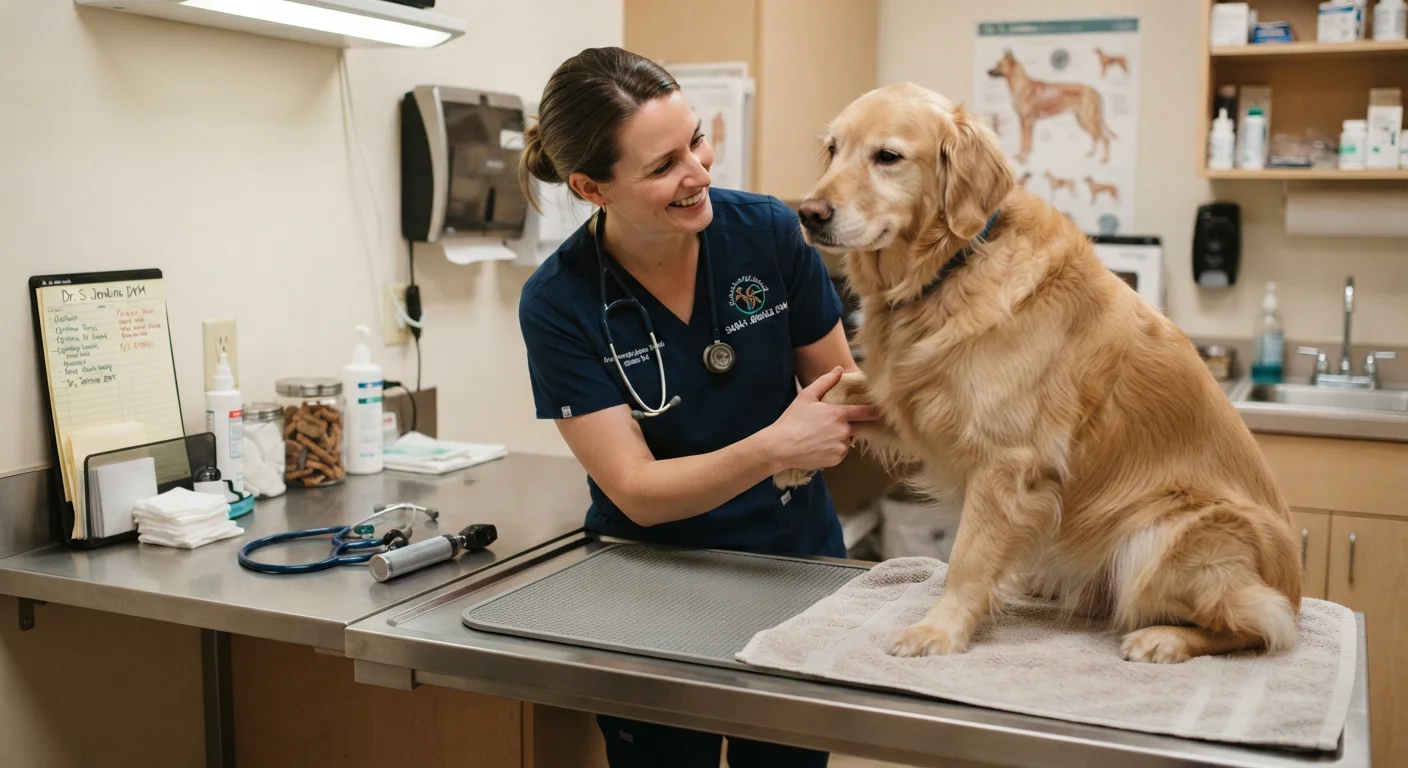
What a Wellness Exam Actually Involves
Many pet owners associate vet visits primarily with vaccines — but immunizations are just one small element of what a thorough wellness exam covers. From the moment a veterinarian begins the exam, they are collecting information across multiple body systems simultaneously.
A typical wellness exam includes:
- Eyes and ears: Checking for cloudiness, discharge, inflammation, or early signs of infection
- Oral cavity: Assessing tooth and gum health, since dental disease in pets often progresses silently and affects overall health
- Heart and lungs: Listening for murmurs, arrhythmias, or abnormal breath sounds
- Abdomen: Palpating for organ size, masses, or pain responses
- Skin and coat: Identifying parasites, growths, or inflammatory patterns
- Weight and body condition: Tracking trends that may signal metabolic or dietary issues
- Musculoskeletal system: Evaluating gait, joint mobility, and muscle mass
Laboratory work — including bloodwork, urinalysis, and fecal parasite screening — is often recommended alongside the physical exam, especially for older pets or those with known health concerns.
Arrive with Observations, Not Just Questions
Before each wellness visit, jot down any behavioral changes, appetite shifts, or physical observations you have noticed — even minor ones. Veterinarians rely heavily on owner-reported history to contextualize exam findings. A two-minute written note can make a significant difference in the quality of information your vet has to work with.
Why Consistency Creates a Clinical Advantage
A single wellness exam provides a snapshot. A series of consistent, well-documented exams provides something far more valuable: a personalized health baseline for your individual animal.
Gradual changes — a slow weight gain, a slight heart murmur that wasn't there two years ago, mildly elevated kidney values — are often impossible to identify without comparative data. When your pet sees the same veterinary practice on a regular schedule, that longitudinal record becomes a diagnostic tool in its own right.
~80%
Dogs and cats with dental disease by age three
According to the American Veterinary Medical Association, the majority of pets show signs of periodontal disease by their third year — a condition most owners do not notice without a professional exam.
2x
Recommended visit frequency for senior pets
Veterinary guidelines generally recommend biannual wellness exams for dogs and cats over seven years old, compared to the annual standard for younger adults, because age-related conditions can advance rapidly.
This is why the timing of visits matters as much as their frequency. Irregular gaps make it harder for clinicians to distinguish between what is normal for your specific animal and what represents a meaningful deviation. Think of it similarly to how consistent routines in feeding support your pet's overall stability — regularity creates a predictable foundation that makes anomalies easier to detect.
For guidance on how wellness care fits into the larger picture of daily responsibilities, see responsible daily pet ownership.
What Vets Screen For That Owners Often Miss
Pets are biologically wired to mask discomfort — a survival instinct inherited from their wild ancestors. By the time behavioral changes become obvious to an owner, the underlying condition may already be well advanced. Routine exams help bridge this gap.
Parasite control is another area where wellness visits add structure. Your veterinarian can evaluate your pet's exposure risk, geographic location, and lifestyle to recommend appropriate prevention protocols. Understanding how flea, tick, and heartworm preventatives work is part of what a wellness conversation helps clarify.
Grooming observations also feed into veterinary assessments. What a vet notices about skin condition, coat quality, or ear health often complements what attentive owners observe during regular grooming routines at home.
Wellness Visits Are Not the Same as Sick Visits
It is worth distinguishing between a scheduled wellness exam and an urgent or sick-pet appointment. Wellness exams follow a systematic preventive protocol and are most valuable when conducted on a regular schedule. If your pet shows signs of illness between scheduled visits — such as vomiting, lethargy, or sudden behavior changes — contact your veterinarian promptly rather than waiting for the next routine appointment.
Building the Habit Into Your Pet Care Routine
Scheduling a wellness visit is most effective when treated as a fixed annual (or biannual) commitment rather than something triggered by concern. Many practices offer reminder systems, but relying on those alone can create gaps if you change providers or move.
A few strategies that help pet owners stay consistent:
- Schedule the next appointment before leaving the current one
- Anchor the visit to a memorable date — a pet's adoption anniversary or a seasonal milestone
- Keep a simple log of behavioral observations between visits so you arrive prepared to share specific details
- For households juggling multiple pets, stagger appointments across different months to make each visit manageable
If your schedule makes consistency difficult, pet care routines built for busy lives offer practical strategies for maintaining commitments even when life is unpredictable.
For new pet owners, the first-year health timeline for puppies and kittens is a useful starting point for understanding when early visits should happen and why their timing is especially critical.
This article is for general informational and educational purposes only and does not constitute veterinary advice. Always consult a licensed veterinarian for guidance specific to your pet's health needs.
Frequently Asked Questions
Most healthy adult dogs and cats benefit from an annual wellness exam. Pets over seven years old, very young animals, or those with chronic conditions are generally seen every six months. Your veterinarian will help you determine the right schedule based on your specific animal's age, breed, and health history.
A standard wellness exam typically includes a head-to-tail physical assessment covering eyes, ears, teeth, lymph nodes, heart, lungs, abdomen, skin, coat, and musculoskeletal function. Many vets also recommend bloodwork, urinalysis, fecal testing, and parasite screening as part of a complete preventive care visit.
Many serious conditions — including early kidney disease, dental disease, heart murmurs, and certain cancers — produce no obvious symptoms until they are significantly advanced. Routine exams allow vets to detect these issues using tools and tests that owners cannot replicate at home. Skipping visits increases the risk of late-stage diagnoses.
No. A wellness exam is a scheduled preventive appointment with no presenting illness. A sick visit is an unscheduled or urgent appointment to evaluate a specific concern. Routine wellness visits should not be replaced by sick visits — they serve a different and complementary purpose.
Senior pets typically receive the same physical exam as younger animals, plus additional screening such as comprehensive bloodwork panels, blood pressure measurement, thyroid testing, and joint assessments. The frequency is usually increased to every six months because organ function and mobility can change quickly with age.
Bring any previous medical records if you are visiting a new clinic, note any behavioral or appetite changes you have observed, and carry a stool sample if your vet requests fecal testing. For anxious pets, ask your vet in advance about strategies to reduce stress before and during the appointment.
The content on this site is for informational purposes only and is not a substitute for professional advice. Always consult a qualified professional for guidance specific to your situation.