

Why Home Maintenance Myths Are So Persistent
Home maintenance advice travels fast - from neighbors, hardware store conversations, and decades-old how-to guides. The problem is that some of this advice was never accurate, while other tips were once reasonable but are now outdated by better materials and building science. Acting on bad information can lead to wasted weekends, unnecessary expenses, or - in some cases - damage that quietly compounds over time.
The myths below are among the most commonly repeated across American households. Understanding what's actually true can help you prioritize the right tasks and skip the ones that don't do what you think they do. For a broader picture of what upkeep really demands, see our guide for new homeowners.
Myth
Bleach kills mold and keeps it from coming back.
Fact
Bleach kills surface mold on non-porous materials but does not penetrate porous surfaces or eliminate the underlying moisture problem that causes mold to return.
Mold growth is a moisture problem, not just a cleanliness problem. Bleach can disinfect a tile surface, but on drywall, wood, or grout, it doesn't reach the mold's root structures (called hyphae). Within weeks, mold typically returns - because the water source was never fixed. Effective mold remediation requires identifying and correcting the moisture intrusion: a leaking pipe, inadequate ventilation, or a condensation issue. For persistent or widespread mold, a qualified remediation professional should be consulted.
Myth
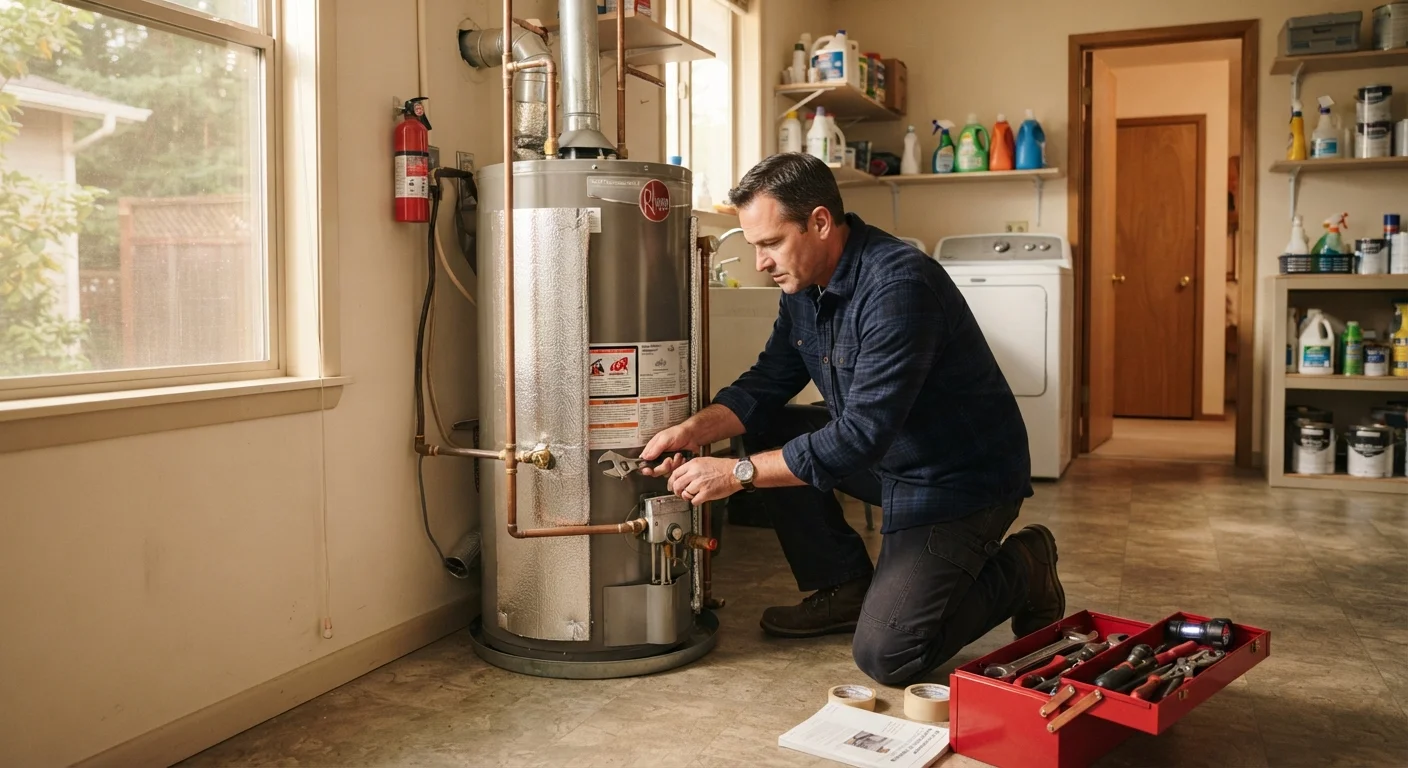
You need to drain your water heater every year.
Fact
Most manufacturers recommend flushing sediment from a water heater every one to three years, not annually - and the correct method matters as much as the frequency.
Sediment buildup at the bottom of a water heater tank can reduce efficiency and shorten the unit's lifespan, so periodic flushing is legitimate maintenance. However, yearly draining is not universally necessary and can even loosen sediment that then clogs the drain valve. If your water heater has not been flushed in many years, sediment may have hardened to the point where flushing does little - a plumber's assessment is worthwhile in that case. Check your unit's owner's manual for the manufacturer's specific recommendation.
Myth
Running the bathroom exhaust fan for a few minutes after a shower is enough to prevent moisture damage.
Fact
Most building science guidance suggests running the exhaust fan for at least 15-20 minutes after showering to effectively remove humidity from the bathroom.
A short burst of the fan moves some air but often leaves significant residual humidity in the room, which then condenses on walls, mirrors, and ceiling surfaces. Over time, this contributes to mold, peeling paint, and wood rot around window frames. If your fan turns off when you flip the light switch, consider installing a timer switch - an inexpensive upgrade that removes the guesswork. Also confirm your fan is actually venting to the outdoors, not just into an attic space, which is a surprisingly common installation error.
Myth
Re-caulking windows every year keeps your home airtight and energy-efficient.
Fact
Quality caulk applied correctly can last many years; re-caulking annually is unnecessary and layering caulk over old material can trap moisture and cause more damage.
Caulk should be replaced when it shows visible cracking, shrinkage, or separation - not on a rigid annual schedule. Applying new caulk over deteriorating old caulk prevents proper adhesion and can seal in moisture that leads to wood rot. The right approach is to remove old caulk fully before applying a fresh bead. For exterior windows and doors, a silicone or siliconized latex caulk rated for outdoor use typically outperforms basic acrylic. Inspect caulk each fall and spring; replace only what has actually failed. For related guidance, see how gutters and water management connect to home envelope maintenance.
Myth
Pouring boiling water down drains clears clogs and keeps pipes clean.
Fact
Boiling water can damage PVC pipes and some drain seals, and it does not effectively break up the grease and debris that cause most household clogs.
PVC pipe - which is standard in most modern homes - can soften or warp at temperatures above approximately 140°F. Boiling water (212°F) poses a real risk to these pipes, particularly at joints and fittings. Hot tap water is safer for PVC. For actual clogs, a drain snake or a baking soda and vinegar flush is generally more effective than any liquid treatment. Persistent slow drains often signal a deeper blockage or a venting issue that benefits from professional inspection rather than repeated home remedies.
When DIY Is Enough - and When It Isn't
Several of the myths above share a common thread: well-meaning homeowners apply a partial fix and assume the problem is solved. Surface-level repairs feel satisfying, but they can mask conditions that worsen underneath. Mold treated without fixing the moisture source, or a water heater flushed with the wrong technique, may look fine until the damage becomes expensive.
Don't Mistake a Surface Fix for a Solved Problem
Cleaning visible mold, patching a hairline crack in drywall, or tightening a loose fixture can look like complete repairs - but if the underlying cause isn't addressed, damage often continues unseen. Before closing up a wall or moving on, ask what allowed the problem to develop and whether that cause has actually been corrected. When in doubt, a professional inspection is a worthwhile investment. Also see our roundup of commonly overlooked maintenance issues that quietly become expensive.
The good news is that most routine maintenance tasks - cleaning gutters, changing HVAC filters, testing smoke detectors, inspecting caulk - are genuinely manageable without professional help. Our seasonal home maintenance calendar breaks these tasks down month by month so nothing gets overlooked.
For tasks involving gas lines, main electrical panels, structural elements, or anything that requires a local permit, always engage a licensed contractor. Codes and requirements vary by municipality, so verify what applies in your area before starting any significant project. For plumbing-specific questions - like when a slow drain becomes a warning sign - our plumbing maintenance overview offers practical guidance.
1 in 3
Homeowners who delay maintenance due to cost concerns
According to a survey by the American Housing Survey, roughly one in three homeowners report deferring necessary maintenance, often leading to costlier repairs later.
$3,000+
Average cost of water damage repair per incident
Industry estimates from restoration trade groups consistently place average residential water damage repair costs in the low thousands, underscoring why moisture control matters.
Being an informed homeowner doesn't mean doing everything yourself - it means knowing what actually needs doing, and when to call in someone who does it best.
This article is for general informational purposes only. Maintenance requirements, building codes, and best practices vary by region. Consult a licensed professional before undertaking any work that may require permits or specialized expertise.
The content on this site is for informational purposes only and is not a substitute for professional advice. Always consult a qualified professional for guidance specific to your situation.