

What Actually Happens Inside Your Muscles After Exercise
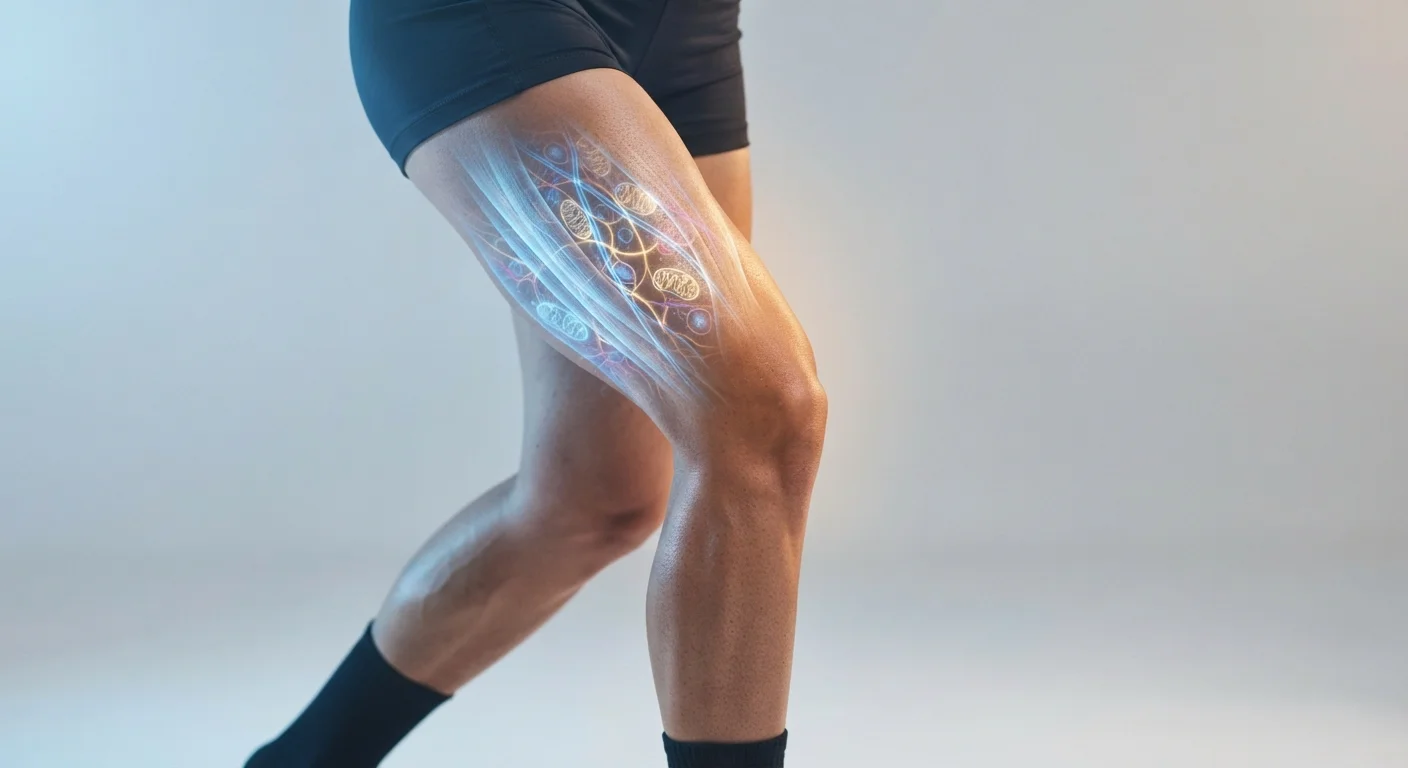
When you exercise - especially through resistance training or high-intensity effort - you place mechanical stress on your muscle fibers. This stress causes small structural disruptions known as micro-tears at the level of individual muscle cells. Rather than being harmful, these micro-tears are the intended stimulus for adaptation.
In response, your immune system dispatches inflammatory signals to the damaged tissue. While this sounds alarming, acute inflammation is a coordinated, beneficial process here: it clears debris and signals repair cells called satellite cells to activate. These specialized muscle stem cells migrate to the injury site, multiply, and fuse with existing muscle fibers. Over time, the repaired fibers are rebuilt slightly larger and more resilient - which is how muscles grow stronger.
Simultaneously, your body works to replenish glycogen (stored glucose in muscle tissue) that was depleted during exercise, and to clear metabolic byproducts generated by intense effort. This multifaceted repair process is what we call muscle recovery - and it is active, energy-intensive biological work.
Aerobic vs. Resistance Recovery Needs Differ
Aerobic exercise - like jogging or cycling at moderate intensity - generally places less structural stress on muscle fibers than heavy resistance training, so recovery is often faster. However, long-duration cardio depletes glycogen stores significantly, making carbohydrate replenishment especially important post-session. Understanding how different exercise types tax the body helps you plan smarter recovery.
Understanding the difference between aerobic and resistance exercise can help you anticipate how your recovery needs will differ between workouts. See our overview of aerobic vs. anaerobic exercise for more context.
How Long Recovery Actually Takes - and What Shapes the Timeline
There is no single recovery timeline that applies to everyone. Research suggests that muscle tissue can take anywhere from 24 to 72 hours to substantially recover after a training session, with heavier, less familiar exercise demanding more time.
24-72 hrs
Typical muscle recovery window after resistance training
Recovery duration varies based on exercise intensity, volume, and individual factors such as age and fitness level.
~7-9 hrs
Recommended nightly sleep for adult recovery
The CDC and major sleep health organizations recommend seven to nine hours of sleep per night for most adults to support health and recovery.
Up to 30%
Estimated reduction in muscle protein synthesis with poor sleep
Research has linked sleep deprivation to measurably impaired muscle repair responses and increased muscle protein breakdown.
Several key variables influence that window:
- Training intensity and volume: The harder and longer the session, the more repair work is required. Eccentric movements - like the lowering phase of a squat or a downhill run - tend to cause more micro-damage than concentric contractions.
- Fitness level: Well-trained individuals typically recover faster because their bodies have adapted to repeated stress. Beginners often experience more pronounced DOMS and longer recovery windows.
- Age: Muscle repair slows with age, partly due to hormonal shifts and reduced satellite cell responsiveness. Strength training after 40 requires particular attention to recovery planning.
- Nutrition: Protein provides the raw amino acids required for muscle protein synthesis. Carbohydrates support glycogen replenishment. Inadequate intake of either can meaningfully delay recovery.
- Sleep: Deep sleep is when the body releases growth hormone and does its most intensive repair work. Sleep and physical recovery are far more intertwined than many exercisers realize.
- Hydration and overall health: Dehydration impairs nutrient transport to recovering tissues, and underlying health conditions can further complicate timelines.
Common Misconceptions About Muscle Recovery
A number of widely repeated beliefs about recovery don't hold up to scientific scrutiny. One of the most persistent is that lactic acid causes post-exercise soreness. In reality, lactate clears from the bloodstream within an hour of exercise. The soreness felt one to two days later - DOMS - is driven by the inflammatory response to micro-tears, not residual lactate.
Another common myth is that more soreness equals more growth. While some soreness can indicate an effective training stimulus, it is neither required nor reliably proportional to adaptation. Experienced athletes often make significant strength gains with minimal DOMS. Our evidence-based look at fitness myths explores this and other common misconceptions in depth.
Support Recovery With Consistent Habits, Not Just Single Actions
There is no single recovery shortcut. The most reliable approach combines adequate sleep, consistent protein intake spread throughout the day, appropriate rest between training the same muscle groups, and gradual progression of training load. Small, consistent habits outperform any one-time intervention like an ice bath or supplement.
Recovery is also sometimes misunderstood as binary - either complete rest or full training. In practice, active recovery vs. full rest days is a nuanced choice that depends on the intensity of your previous session and how your body feels.
This article is for general informational and educational purposes only and does not constitute medical advice. Always consult a qualified healthcare professional for guidance specific to your health needs and circumstances.
Frequently Asked Questions
This is called delayed onset muscle soreness (DOMS), and it typically peaks 24-48 hours after unfamiliar or intense exercise. It results from microscopic tears in muscle fibers and the subsequent inflammatory response, not - as long believed - lactic acid accumulation. DOMS generally resolves on its own within a few days.
Recovery timelines vary widely. Light aerobic exercise may require only 24 hours, while heavy resistance training can demand 48-72 hours or more. Factors like training intensity, sleep quality, nutrition, hydration, and age all influence how quickly your body bounces back.
Mild soreness does not necessarily mean you should rest completely, but working the same muscle group at high intensity while it is still recovering can increase injury risk and blunt adaptation. Light movement or training different muscle groups is generally considered acceptable. Consult a healthcare professional if pain is sharp or persistent.
Yes. Dietary protein provides the amino acids needed to rebuild damaged muscle fibers. Research consistently shows that adequate protein intake - spread across meals - supports muscle protein synthesis. However, the precise amount that is optimal varies by individual and context; a registered dietitian can offer personalized guidance.
Significantly. During deep sleep stages, the body releases growth hormone, which plays a central role in muscle repair and protein synthesis. Chronic sleep deprivation has been linked to reduced recovery capacity and increased muscle breakdown. Most adults are advised to aim for seven to nine hours of quality sleep per night.
The content on this site is for informational purposes only and is not a substitute for professional advice. Always consult a qualified professional for guidance specific to your situation.