

What Repetitive Behaviors Are Actually Telling You
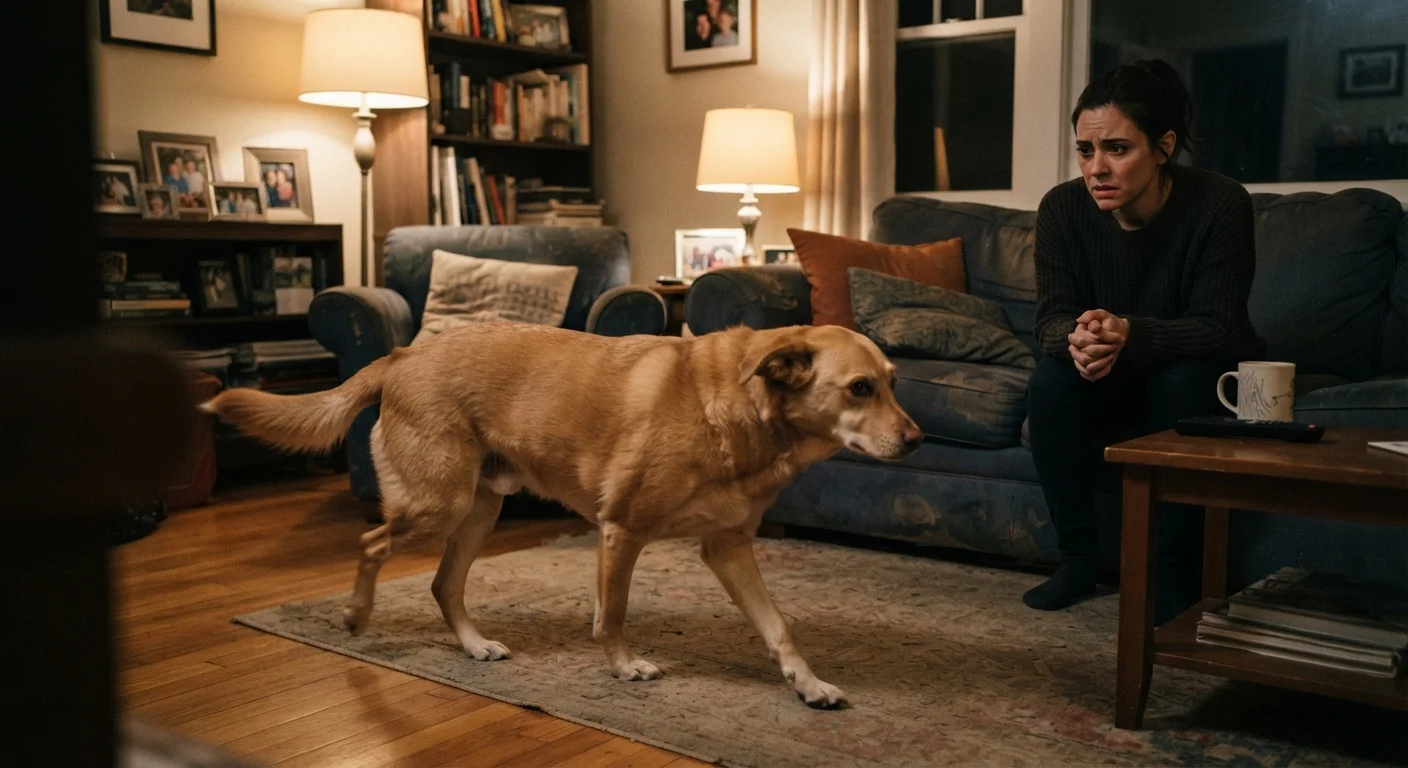
When a cat over-grooms until patches of fur disappear, or a dog circles the same spot for minutes at a time, it can feel baffling — even alarming. These are sometimes called stereotypies: repetitive, largely invariant behaviors that serve no obvious function but persist because they were once a coping mechanism or were inadvertently reinforced.
Veterinary behaviorists generally recognize two broad drivers: unmet needs and learned patterns. A dog left alone for ten hours a day may develop repetitive chewing because physical and social stimulation are chronically insufficient. A parrot may feather-pick when its complex cognitive needs go unaddressed. In both cases, the behavior itself becomes self-reinforcing over time, which is why intervening early matters. For a broader look at what healthy daily pet care involves, see responsible daily pet ownership.
It is also important to understand that some repetitive behaviors have a purely medical origin — skin conditions that cause itching, neurological issues, or pain that prompts a pet to lick or bite a specific spot. This is why a veterinary exam is always step one, not step three.
Common Mistakes Owners Make — and How to Course-Correct
Even attentive owners routinely fall into patterns that either trigger or reinforce repetitive behaviors. Recognizing these mistakes is the first step toward helping your pet.
Assuming the behavior is 'just a habit' and ignoring it.
Why it happens: Many repetitive behaviors start subtly and owners normalize them over time, especially if the pet otherwise seems fine.
Accidentally rewarding the behavior with attention.
Why it happens: When a dog spins or vocalizes, the natural impulse is to comfort it — talking to it, petting it, or offering a treat. The pet learns the behavior produces attention.
Skipping environmental enrichment while expecting behavior to improve.
Why it happens: Owners often focus on stopping the behavior rather than filling the underlying need that drives it, especially when schedules are busy.
Relying solely on punishment or correction tools.
Why it happens: Correction tools feel like a fast solution, and some online advice actively promotes them for repetitive behaviors.
Waiting too long before seeking professional guidance.
Why it happens: Owners often hope the behavior will resolve on its own, or feel uncertain about whether it's 'serious enough' to bring up with a vet.
Punishment Makes These Behaviors Worse
Scolding, startling, or physically interrupting a pet mid-stereotypy rarely stops the behavior and frequently increases the anxiety driving it. Repetitive behaviors are not defiance — they are coping mechanisms. Respond by addressing what the behavior is communicating, not by suppressing the signal.
For related behavioral challenges, the pet training hub offers guidance on everything from leash reactivity to command responsiveness.
Building an Environment That Supports Behavioral Health
Once medical causes have been ruled out and you've identified which mistakes apply to your situation, the focus shifts to proactive environmental design. Predictability is a powerful tool: regular feeding times, consistent exercise windows, and stable social interaction reduce the chronic low-level stress that feeds many repetitive behaviors.
~70%
Of compulsive behaviors linked to chronic stress
Veterinary behavioral research consistently identifies chronic psychological stress and under-stimulation as primary contributors to compulsive or stereotypic behavior in companion animals.
2–3x
Faster resolution with early intervention
Behavioral specialists generally observe that stereotypies addressed within the first few months of onset respond significantly better to modification than those present for a year or more.
Enrichment — puzzle feeders, scent work, rotating toys, species-appropriate play — gives pets an outlet for instinctive drives that would otherwise emerge as unwanted repetition. For cats prone to over-grooming, routine grooming sessions also give owners an opportunity to catch skin changes early and reduce anxiety through structured, positive touch.
If enrichment and routine adjustments don't produce noticeable improvement within a few weeks, consult a veterinary behaviorist. Some animals benefit from a structured behavior modification plan, and in certain cases a veterinarian may discuss whether other clinical interventions are appropriate — that decision belongs with a qualified professional, not a general internet search. You may also recognize patterns from common oversights that affect animal health that are quietly compounding the problem.
This article provides general educational information about pet behavior and is not a substitute for individualized advice from a licensed veterinarian or veterinary behaviorist. If your pet is showing new or worsening behavioral signs, please consult a qualified professional.
The content on this site is for informational purposes only and is not a substitute for professional advice. Always consult a qualified professional for guidance specific to your situation.