

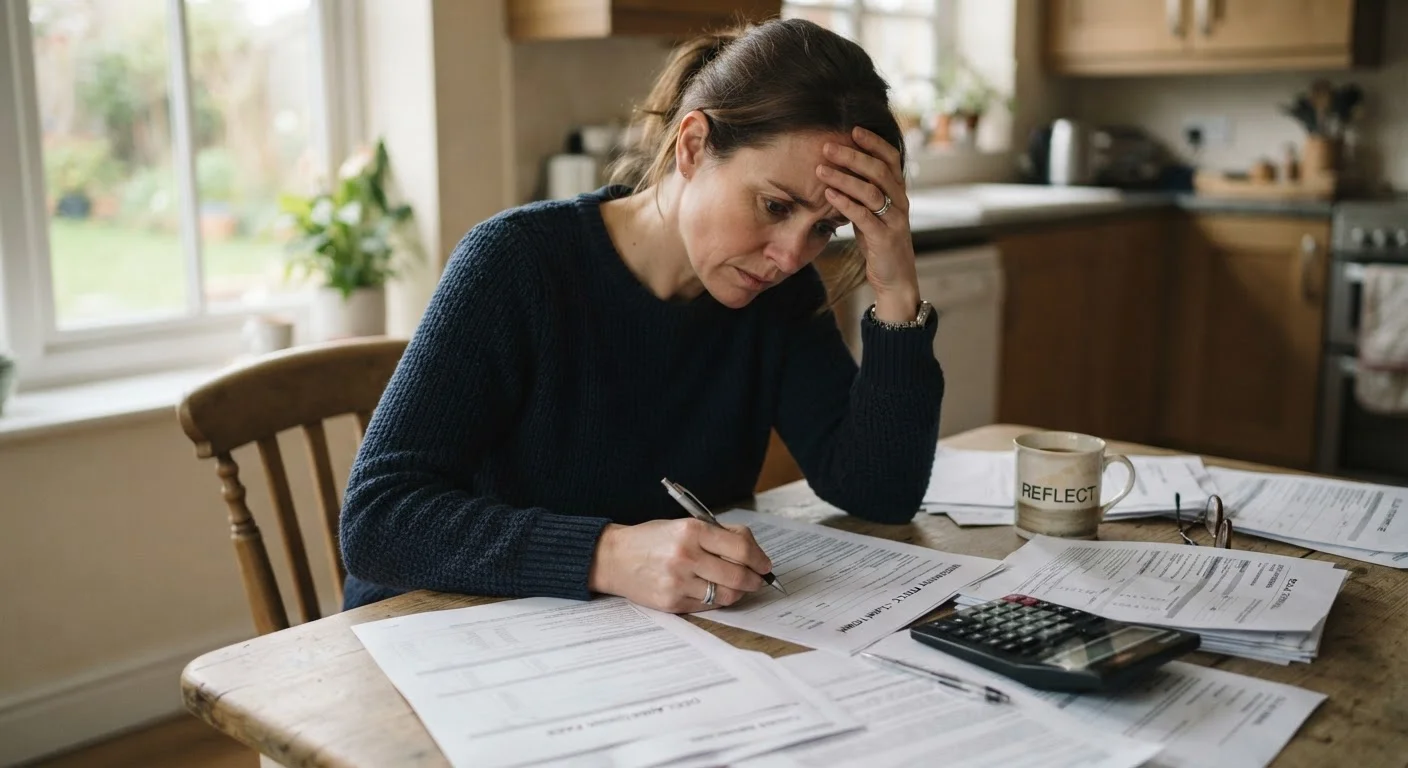
Why Underinsurance Catches Policyholders Off Guard
Being underinsured doesn't mean you have no insurance - it means your coverage falls short of what you actually need when a loss occurs. This distinction matters because policyholders who are underinsured often believe they're adequately protected right up until they file a claim and discover the gap firsthand.
Several recurring patterns explain why this happens. Policies are purchased, filed away, and rarely revisited. Terminology gets misunderstood. And premium-focused decisions lead to coverage trade-offs that only become visible at the worst possible moment. The gaps outlined below are among the most common - and most preventable. For a broader look at related misunderstandings, see things people consistently misunderstand about what insurance covers.
~40%
Homeowners estimated to be underinsured
Industry research has consistently suggested that a substantial share of U.S. homeowners carry dwelling coverage below what it would actually cost to rebuild their home.
1 in 4
Americans who will experience a disability before retirement
According to the Social Security Administration, roughly one in four workers entering the workforce today will become disabled before reaching retirement age, yet disability insurance remains widely overlooked.
The Most Common Mistakes That Create Coverage Gaps
Each of the following mistakes can leave a policyholder substantially underprotected - not through negligence, but through misunderstanding. Recognizing them is the first step to addressing them.
Keeping the same coverage limits for years without reviewing them.
Why it happens: Policyholders often set limits once at enrollment and treat the policy as a finished task, not realizing that construction costs, property values, and personal assets change over time.
Assuming 'full coverage' means every possible loss is covered.
Why it happens: The term 'full coverage' is widely used in everyday conversation but has no standard legal definition. Policyholders hear it and reasonably assume comprehensive protection, when it actually refers to a combination of specific coverages with their own limits and exclusions.
Ignoring policy exclusions until a claim is denied.
Why it happens: Exclusions are buried in lengthy policy documents that most people never read in full. Policyholders often rely on verbal summaries or online plan overviews, which rarely detail what is explicitly excluded.
Choosing a high deductible without a realistic plan to cover it.
Why it happens: High-deductible plans lower monthly premiums, which makes them attractive, especially to budget-conscious consumers. The out-of-pocket cost at claim time often isn't considered carefully at enrollment.
Failing to update coverage after home renovations or new purchases.
Why it happens: Homeowners often invest in kitchen remodels, add-ons, or high-value items like jewelry and electronics without notifying their insurer, assuming the existing policy automatically adjusts.
Overlooking the need for disability or income-replacement coverage.
Why it happens: Most people insure their cars and homes but never consider insuring their income - even though their ability to earn is often their most financially significant asset.
Coverage Gaps Often Surface Only at Claim Time
The most dangerous aspect of being underinsured is that policyholders typically don't realize it until they file a claim - and by then, options are limited. Reviewing your coverage before a loss occurs is the only reliable way to catch these gaps. Always read your actual policy documents, not just the summary, and consult a licensed insurance agent if anything is unclear.
It's also worth understanding that gaps don't only show up in individual policy types - they often emerge from missing coverage categories altogether. Gaps people leave in their insurance coverage outlines which missing policy types tend to create the most financial risk.
What to Do If You Suspect You're Underinsured
If any of the mistakes above sound familiar, the right next step is a policy review - not a panic purchase. Pull out your current policy documents and focus on three things: your coverage limits, your deductibles, and the exclusions section. Compare your dwelling or liability limits against current costs, not the amounts set when the policy was written.
Don't Confuse a Lower Premium With Adequate Coverage
Choosing a policy primarily based on the lowest monthly premium is one of the fastest ways to end up underinsured. Lower premiums often correspond to higher deductibles, lower limits, or narrower coverage. Before adjusting a policy to save on cost, confirm exactly what protections you'd be giving up - the trade-off may not be worth it when a claim arises.
If the review raises questions you can't resolve on your own, a licensed insurance agent or an independent broker can help you assess whether your current coverage is adequate for your actual situation. They can also explain how your policy terms and the claims process interact - which can make a significant difference in how a claim plays out. For a look at how claim-time assumptions add another layer of risk, see beliefs about insurance claims that can leave you undercompensated.
This article is for general informational and educational purposes only and does not constitute personalized insurance, financial, or legal advice. Coverage terms, exclusions, limits, and regulations vary by provider, policy, and state. Always read your actual policy documents carefully and consult a licensed insurance professional for guidance specific to your situation.
The content on this site is for informational purposes only and is not a substitute for professional advice. Always consult a qualified professional for guidance specific to your situation.